
Modernized Miswak Brush Handle
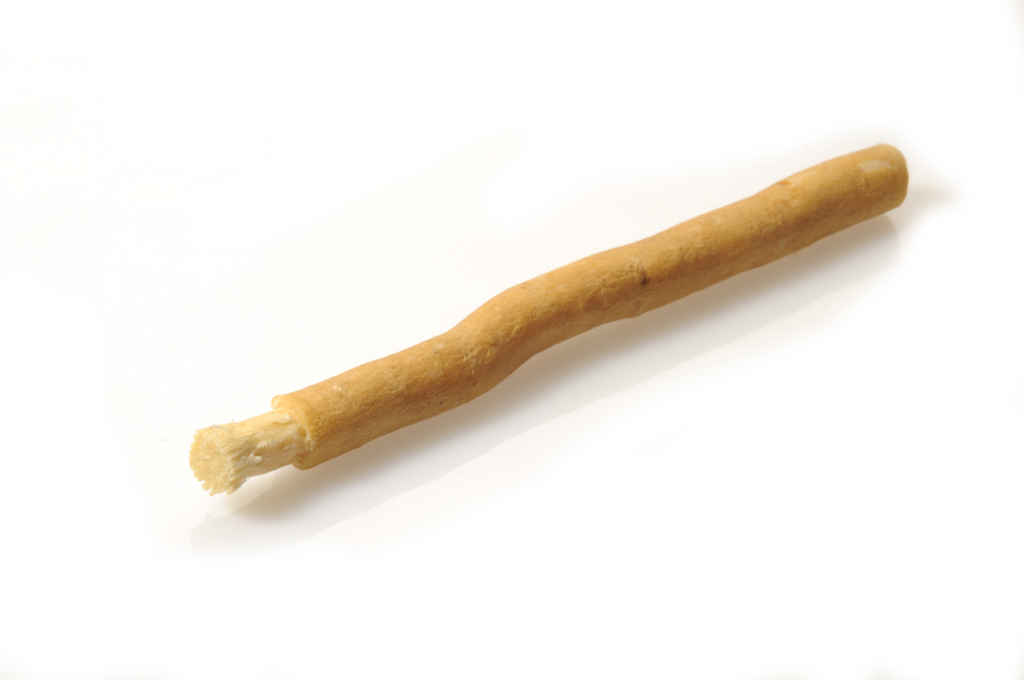
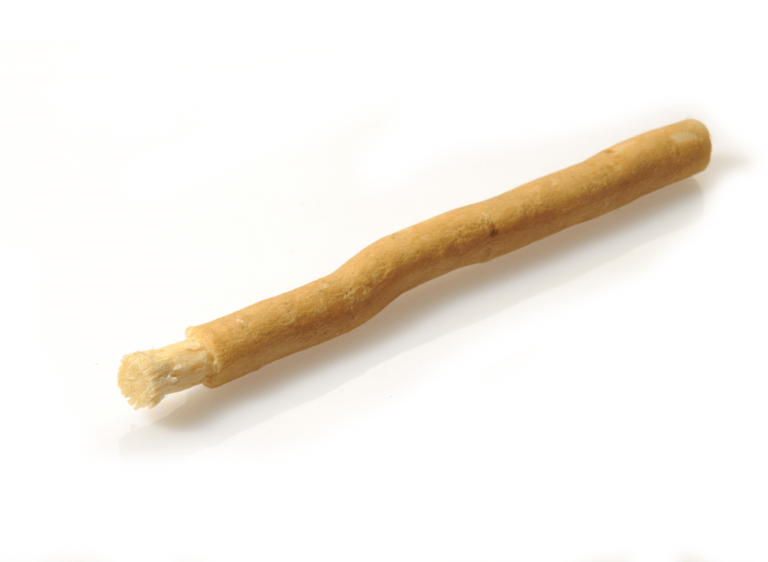
Traditionally, the miswak brush is used by chewing the end of a natural stick until it frays into fibrous bristles, then brushing the teeth directly with the stick. While it is well known for its natural antibacterial properties, plaque reduction, breath freshening, and mineral content beneficial to oral health, its traditional form has clear usability limitations. It requires frequent preparation, forces awkward hand and mouth positioning, and does not align with the brushing angles people are used to today.
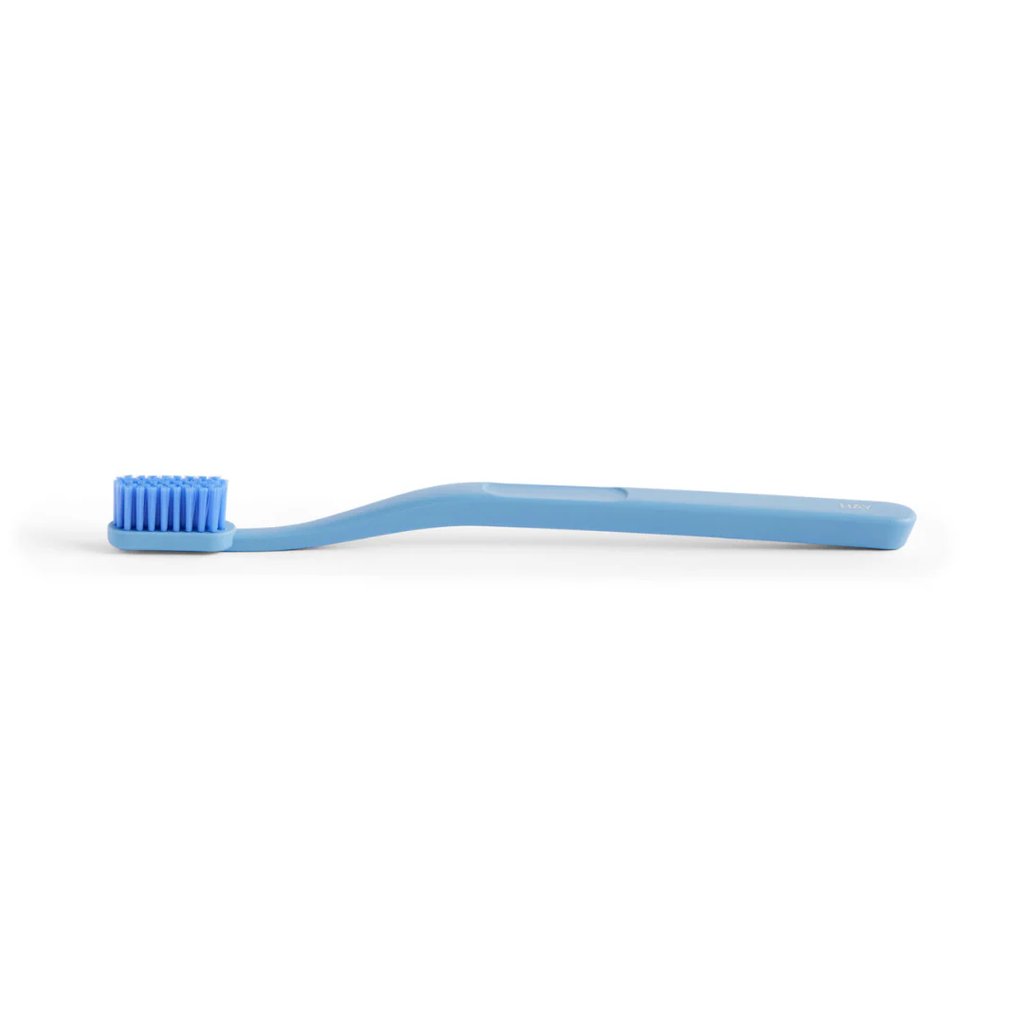
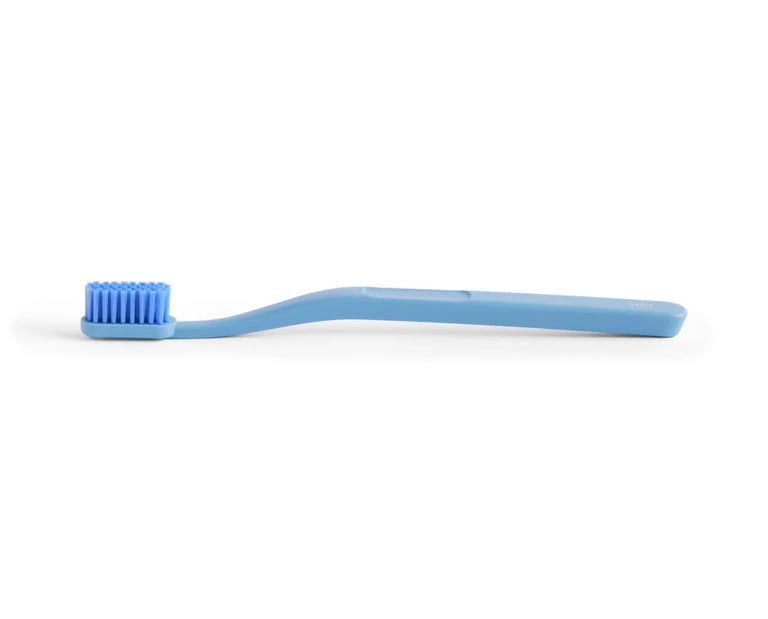
Modern toothbrushes, on the other hand, introduce a different set of problems. Most are fully plastic, generate non-recyclable waste, and shed microplastics into the mouth over time. Despite being replaced every few months, they offer no sustainable solution for an essential product used daily.
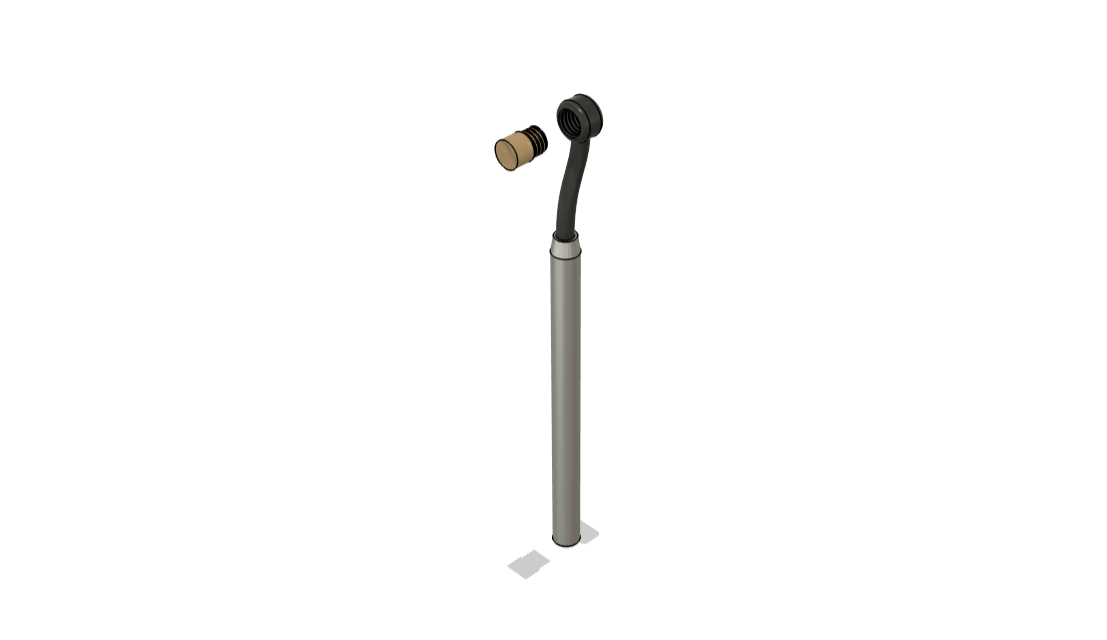
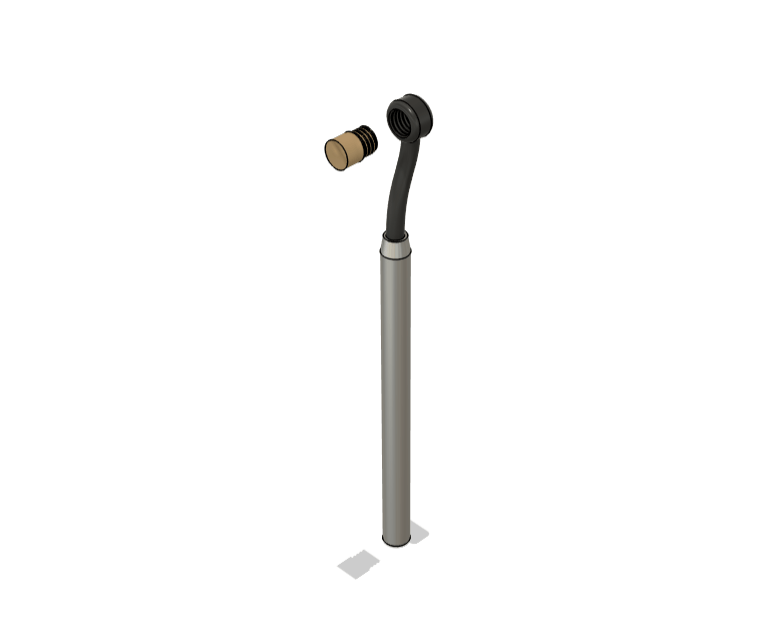
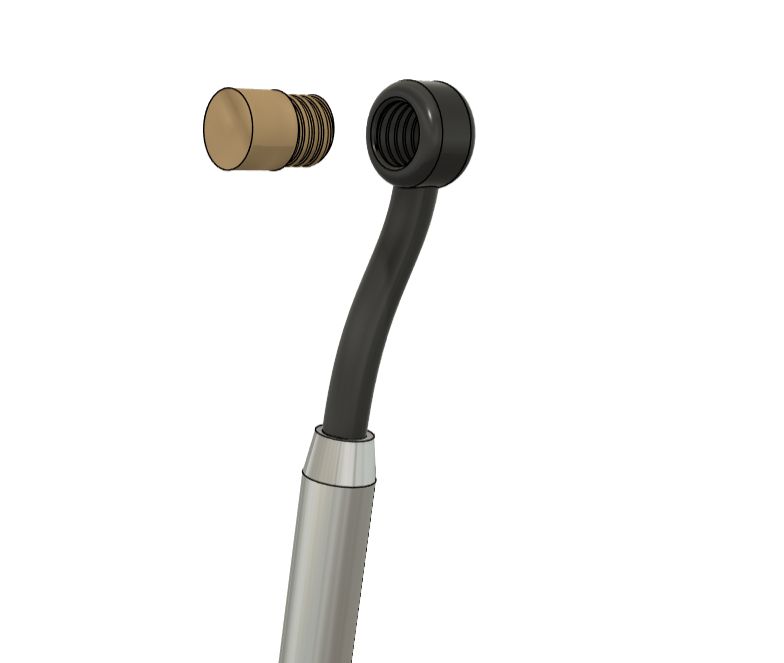
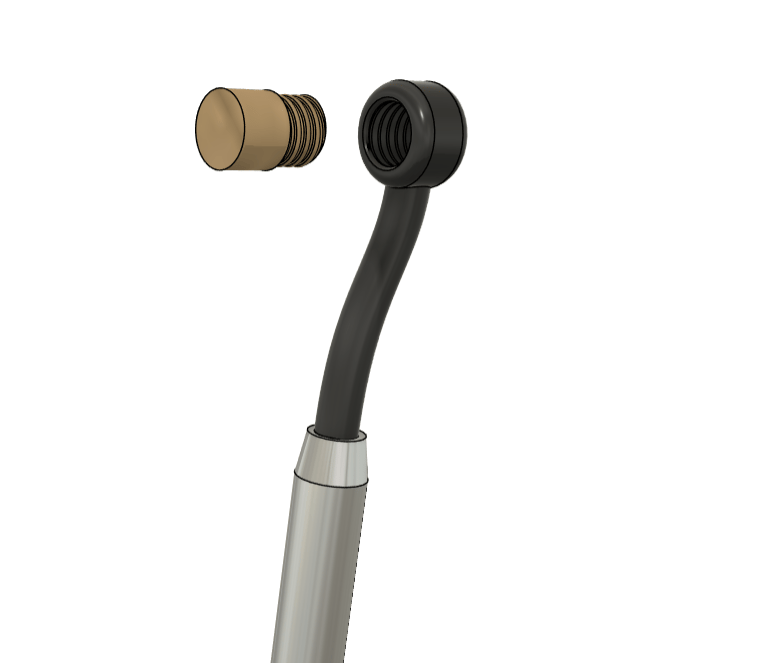
Working closely with Edrees, we focused on combining the natural benefits of the miswak with the ergonomics of modern toothbrushes. The result was a reusable, angled handle shaped like a conventional toothbrush, paired with replaceable, screw-on heads made from real Salvadora persica branches. This eliminated the awkward handling of traditional miswak while maintaining its natural properties and significantly reducing plastic use.
We collaboratively designed, prototyped, and tested the product, refining ergonomics, connection mechanisms, and durability to deliver a familiar, effective brushing experience. Beyond design, we supported Idrees in research and planning for manufacturing, helping move the idea from a concept into a scalable product.
All intellectual property, patents, designs, and product rights belong solely to Edress El Rachidi. We participated strictly as a design and development partner.
Entrepreneur Edress El Rachidi approached us with a clear and interesting idea. Not to reinvent oral care, but to return it to its roots. His idea was to modernize the miswak, derived from the Salvadora persica tree—one of the oldest known oral healthcare tools, used for thousands of years across the Middle East, Africa, and parts of Asia long before plastic toothbrushes existed.